
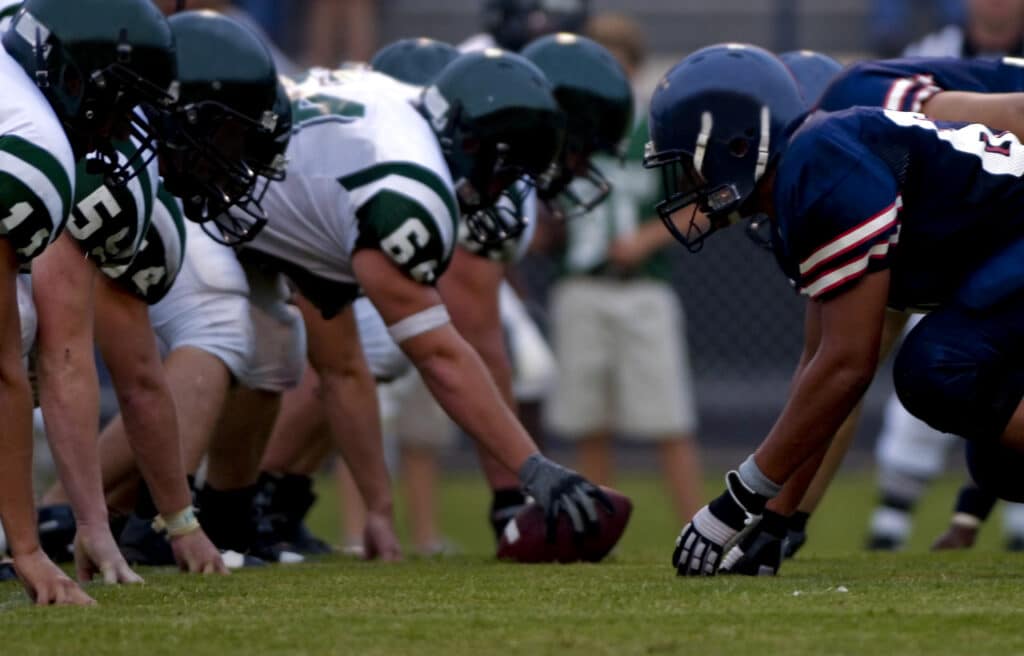
Feeling better after a concussion does not always mean an athlete is ready to compete again. A history of head injuries can complicate recovery and make returning to play a difficult medical and personal decision. Brown & Brown Attorneys at Law has represented injured people in the St. Louis, Missouri, area for more than 30 years. Dan Brown concentrates on personal injury matters, while Ely Hadowsky has focused on trial practice with the firm since 2000. When head trauma results from negligence, our team can look at the medical and accident records supporting a traumatic brain injury claim.
How Multiple Concussions Can Affect Recovery
A concussion is a mild traumatic brain injury caused by a blow or jolt to the head or an impact that forces the head and brain to move quickly. Its effects can interfere with memory, concentration, sleep, mood, balance, and physical activity. A history of concussions can also increase the chance of a longer recovery.
For athletes, headaches or slowed reaction time can interfere with training and competition. Concentration problems may also affect school, work, driving, and everyday responsibilities. Our comparison of mild and severe TBIs explains why the word “mild” should not be mistaken for harmless.
Not Every Head Impact Causes Noticeable Symptoms
Athletes can experience numerous blows without feeling the immediate effects associated with a diagnosed concussion. Researchers use the term “repeated head impacts” to include both symptomatic injuries and hits that cause no obvious signs at the time.
Chronic traumatic encephalopathy, or CTE, is often discussed in connection with contact sports. Research associates the condition with long-term exposure to repeated head impacts, but there is no strong evidence that one or several concussions alone cause CTE. Scientists are still studying why some people develop the disease while others with similar exposure do not.
Why an Athlete Might Leave a Sport
There is no set number of concussions that automatically ends an athletic career. A healthcare provider may consider how long symptoms last, whether they return during activity, and how previous injuries affected recovery. The athlete must also weigh the risks of another impact against the desire to keep competing.
Symptoms that deserve medical attention include:
- Persistent or worsening headaches
- Dizziness or balance problems
- Memory or concentration changes
- Sensitivity to light or noise
- Changes in sleep, mood, or behavior
A suspected concussion should be evaluated before the athlete returns to play.
Brain Injuries Also Happen Away From Sports
A sudden car accident can force the head to move sharply even without a direct strike to the skull. A serious slip and fall can also cause a concussion or more severe trauma. Medical visits, symptom notes, work restrictions, and follow-up care help document how the injury changed a person’s life. Our brain injury case video discusses concerns clients often report after vehicle collisions.